
At the end of 2023, I was diagnosed with irritable bowel syndrome . Based on what I know today, it’s a chronic condition that remains poorly understood by medical science.
In part, the condition is related to a disorder in the amount and type of bacteria present in the intestines due to the eating habits a person consumes, as well as the amount of stress hormones they handle daily.
For a Dominican journalist from Washington Heights living in Philadelphia, the burden of working in a 24/7 news cycle and being restricted to eating foods that are neither healthy nor culturally appropriate for my metabolism severely impacted my health.
My first symptoms were in September 2023, with excessive bowel movements, excessive gas, and very annoying abdominal pain that kept me awake at night. Then came fatigue, constipation and diarrhea, involuntary chills and tremors, weight loss, anxiety, and hair loss. It was quite a challenge. I’d never experienced anything like it before.
With the guidance of a friend (thank you, Johanna ) and more fear than discipline, I immersed myself in a process of healing and improving my physical, mental and emotional health. Today, a year later, I am able to tell you how I achieved it.
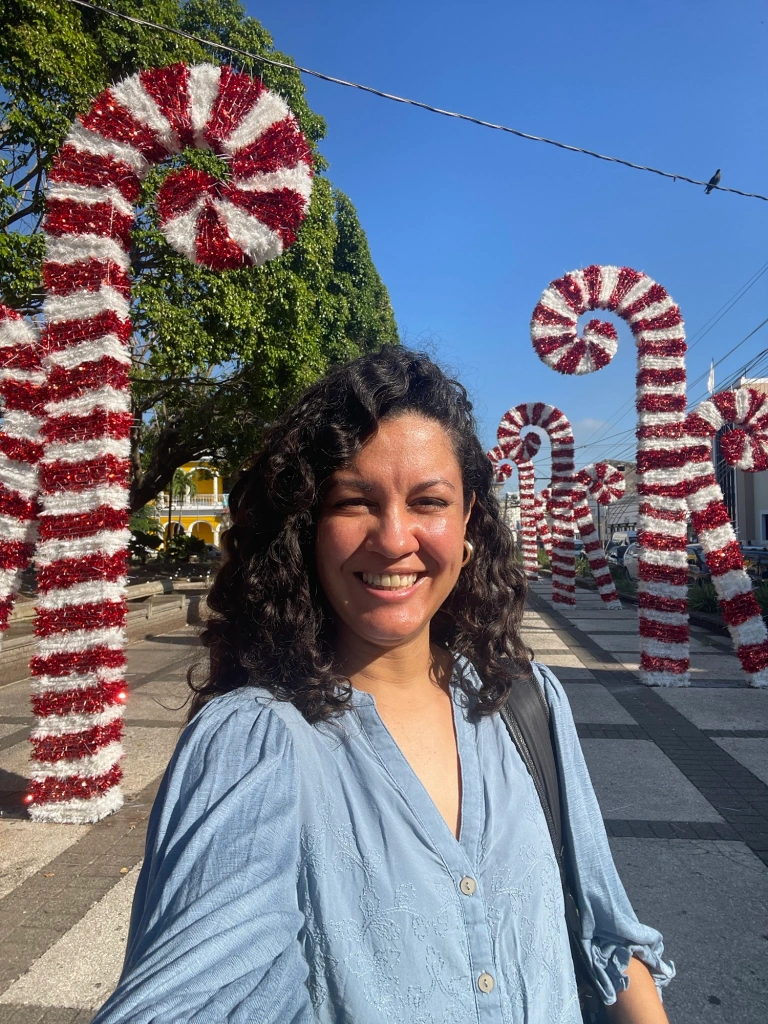
November 2023
Here are five habits that have improved my symptoms :
When I say diet, I mean everything I consume, including the news I pay attention to and the people I spend time with.
Eliminating energy and food, and therefore undergoing a complete detox, has allowed me, over the months, to test what is good for me and what I need to continue excluding.
In terms of food, I had to give up pasta, almost all types of bread and cheese, potatoes, cow’s milk, and all bottled drinks with added sugar. I focus my daily intake on all types of meat, lots of rice and water, low-sugar Greek yogurt, fruits, nuts, and vegetables that don’t ferment in the intestinal tract, such as carrots.
While I waited for an appointment with my primary care doctor on July 3, 2024, I did some research and learned that prebiotic and probiotic supplements are crucial for improving the balance of the gut microbiota.
Since the beginning of the year, I’ve been drinking mushroom-based teas , which also relieve my fatigue and improve my performance throughout the day. I take a capsule daily with lunch so that both microbes together regulate my digestive system.
By changing my food intake, I also decided to improve my nutritional balance by including protein supplements, which I take every other day or three times a week. Recently, I’ve been incorporating iron, calcium, magnesium, and vitamin D3 supplements.
When I got sick, I had already been exercising regularly for some time. So, I continued doing my cardio and weight training routine, three to four times a week, this time viewing my sessions as an escape from my daily to-do list, rather than just another task. With this new perspective, I see my workouts as acts of rest and rebellion against a reality that keeps me working constantly.
I have the advantage of wearing a tracker (which Apple calls a watch) that allows me to measure my sleep hours and quality. Using the Health app on my iPhone helps me get to bed at roughly the same time every night and sleep from 10:00 a.m. every night without distractions. I’m so lucky if I text you or take a call after that time!
And during the day, I try to go out and visit my neighbors to see how they’re doing. It gives me a way to escape. I also go for a 20-minute walk to soak up the sun and clear my mind, no matter how cold it is.
Lately, I’ve been getting back to sharing time with friends, with people with vibrant energy, and in low-key, beneficial spaces where I can listen to Caribbean music, read a book, and eat what my gut allows without having to drink alcohol or overdo it.
Journaling isn’t new to a busy mind like mine, but this time, I’m keeping track of my detailed memoirs and using the My Fitness Pal app to track the foods I eat, how I react, and how much I still need to eat each day to achieve nutritional balance.
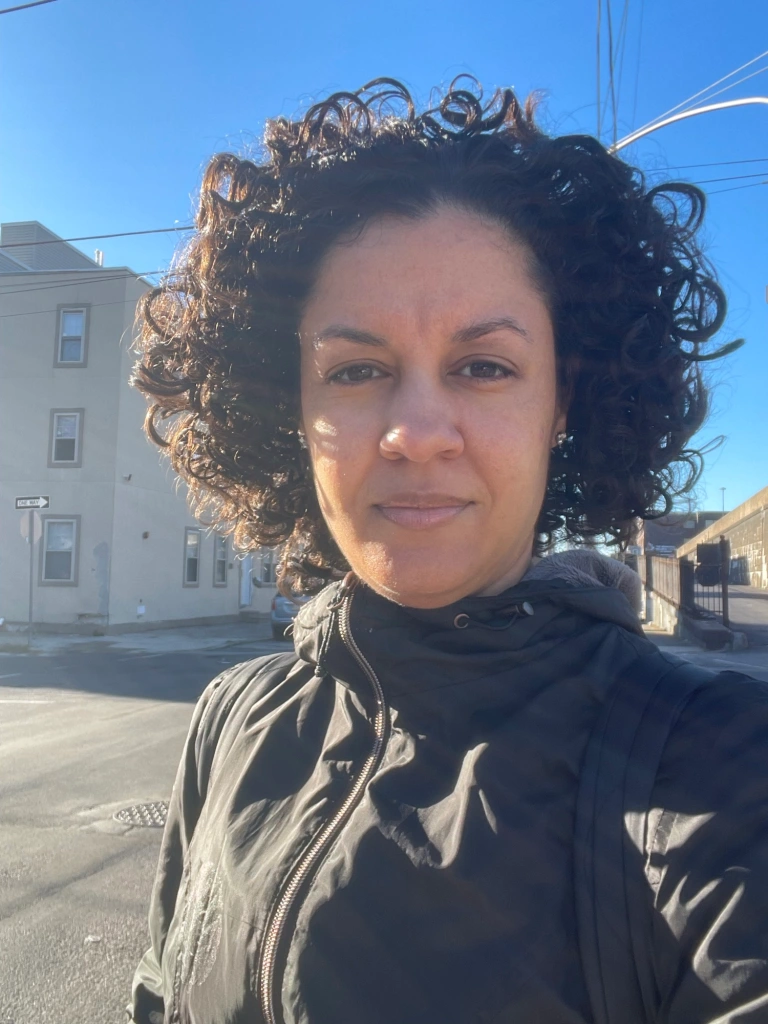
October 2024
Digestive problems are nothing new to those of us who work in journalism. I have other colleagues who suffer from the same thing, mostly women. The hormonal changes and stress levels we deal with make us prone to this, which is
scientifically supported .

If you have other habits in mind or perhaps some advice for others trying to improve their IBS symptoms, feel free to share and comment.
