This essay was originally published in English by the Lenfest Journalism Institute as part of a series on the insights and conclusions reached by the first fellows supported by the Constellation News Leadership Initiative .
Here is the original post and the full list of lessons shared by the inaugural class of Constellation fellows at the end of their 2020-2021 development program.
The journalism industries of the Americas have as much in common as they do in contrast . While the reckoning around racial issues is strongest in the United States and Brazil, conversations about gender gaps, elitism, and ethnic inclusivity have been central to journalism in Mexico, Chile, and Peru. Still, finding the new, better business model needed to keep this thing we call journalism afloat is a cross-border conversation, one that became even more relevant during the pandemic .
As Jeff Jarvis , a professor at CUNY’s Craig Newmark Graduate School of Journalism, famously put it on Twitter: “The media business was already on fire. COVID-19 threw gasoline on it.” We got a better idea when the New York Times reported in May 2020 that 37,000 newsroom employees had been laid off, furloughed, or had their pay reduced since the start of the pandemic. Operational cuts and staff reductions continued until just weeks before last November’s election, when misinformation , fake news, and political manipulation became major issues.
The economic crisis created by the pandemic has hit news organizations hard since early 2020, especially those anchored in being “content creation machines” : keeping their journalists looking for anything to fill airtime so the outlet can entice users to pay attention to stories filled with ads . The global crisis also reminded us that journalism is a service that must meet people’s needs, at the specific moment they need it.
As the industry continues to evolve toward a more inclusive, equitable, and diverse landscape around staffing and coverage, we will see the need to once again challenge our ideas and perceptions about the definition of a news business and what journalists actually do for a living.
In the age of influence, journalists can use the technology available to people to motivate, empower, or help them experience some form of growth . News organizations, whether large organizations or a one-person newsroom, must work collaboratively with their users and followers to provide the information people need to organize, make better decisions, or improve their sense of well-being.
And as professionals who are avid listeners and observers, I believe journalists will become more intimate with their followers and engage more with audiences so they can learn what people need from us, when they really need it, and how we should deliver it.
Taking the practice of journalism beyond stories, products, and daily content creation is the step toward a service-based approach that will prepare us for à la carte journalism —which I eagerly await to shape. Because, ultimately, this profession is about creating belonging: to whom does journalism belong? How do we create a sense of belonging for others?
As we find the best new business model for the industry, particularly for local journalism, we will need to meet the expectations of our communities —those who look to us as their journalists, not as copywriters—and stick to that for our livelihood. Our audiences will pay for things that share their values and appreciate journalists who serve them with transparency, accuracy, and independence .
The future of journalism in the Americas depends on our willingness to solve people’s problems , our connection to one another , and our ability to do what we do best —regardless of language, platform, or topic— for our people, with our people .

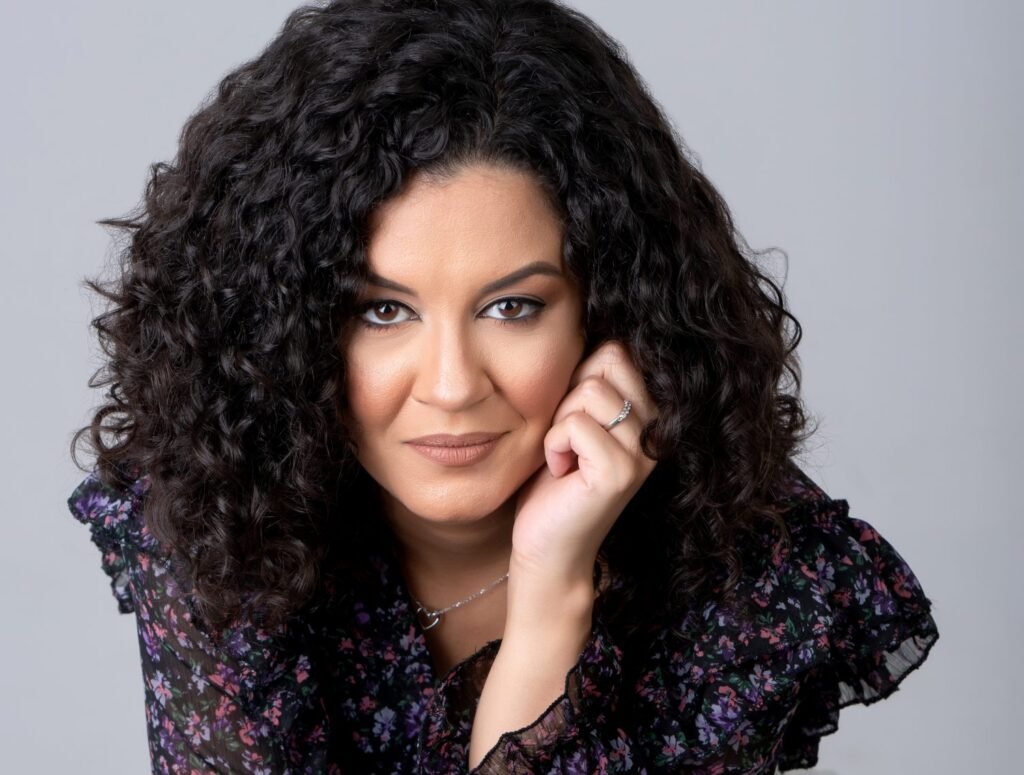
Published by: Jesenia De Moya Correa
Communities & Engagement Journalist, specialized in health and science reporting for bilingual Latino audiences.
Periodista apasionada por la salud ambiental, las ciencias y las diásporas latinas en el continente americano.
If you’re having problems sharing via email, you might not have email set up for your browser. You may need to create a new email yourself.
Communities & Engagement Journalist, specialized in health and science reporting for bilingual Latino audiences.
Periodista apasionada por la salud ambiental, las ciencias y las diásporas latinas en el continente americano.