I knew covering Philadelphia’s Latino communities would be a tremendous challenge. But I never thought I’d have such a difficult time on my first assignment in the neighborhoods. The good thing is that I like it —yes, I like the hard work— and that this work is worth it in every way.
I was aware that coming to work for The Inquirer involved several little details:
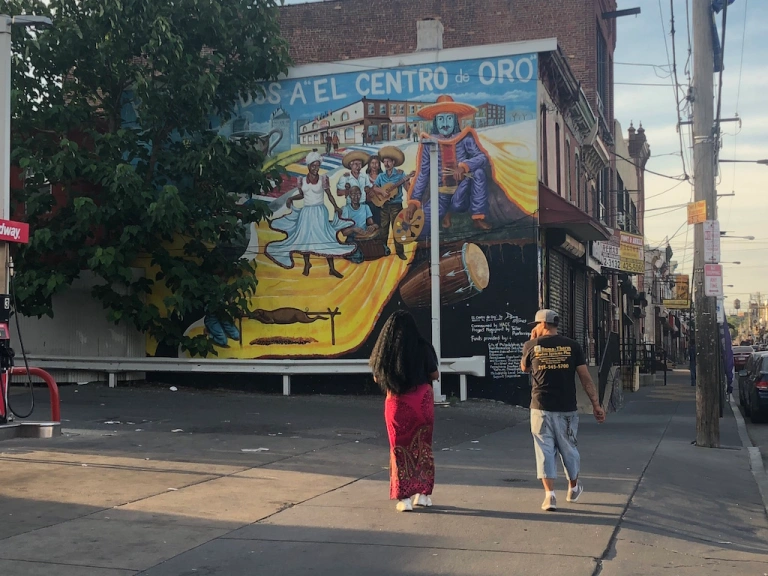
LeHigh Avenue and 5th Street has a distinct Caribbean flavor.
But knowing that the vast majority of Philadelphia’s Latinos are Caribbean also made it warm and exciting: three out of four Latinos in Philly have Puerto Rican, Dominican, or Cuban roots . The U.S. Census ACS 5-Year Estimate suggests that nearly 215,000 Latinos resided in Philadelphia between 2012 and 2016; at least 14% of the city’s total population.
So, it didn’t sound like anything that hard! Gather some data, go for a walk, study the neighborhoods, knock on doors and listen; talk to people for a while or two. Or so I thought, until I encountered distrust.
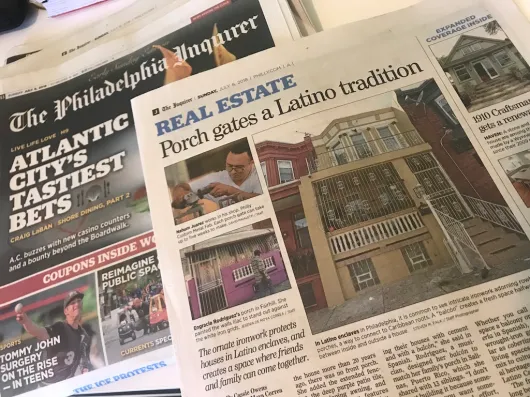
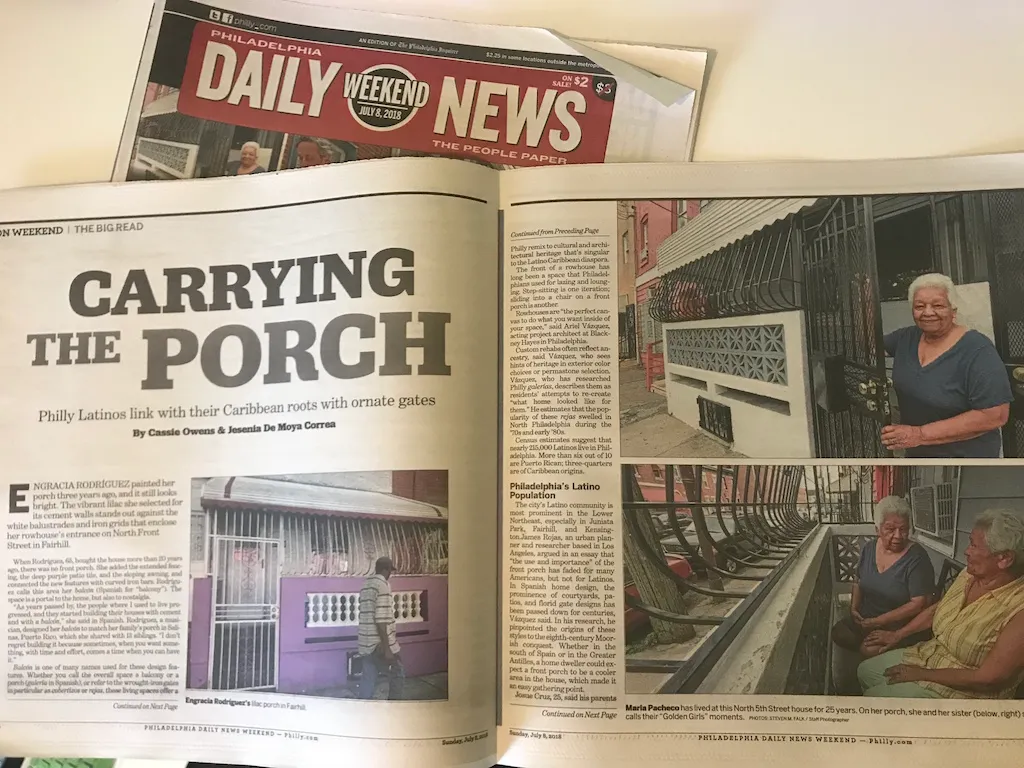
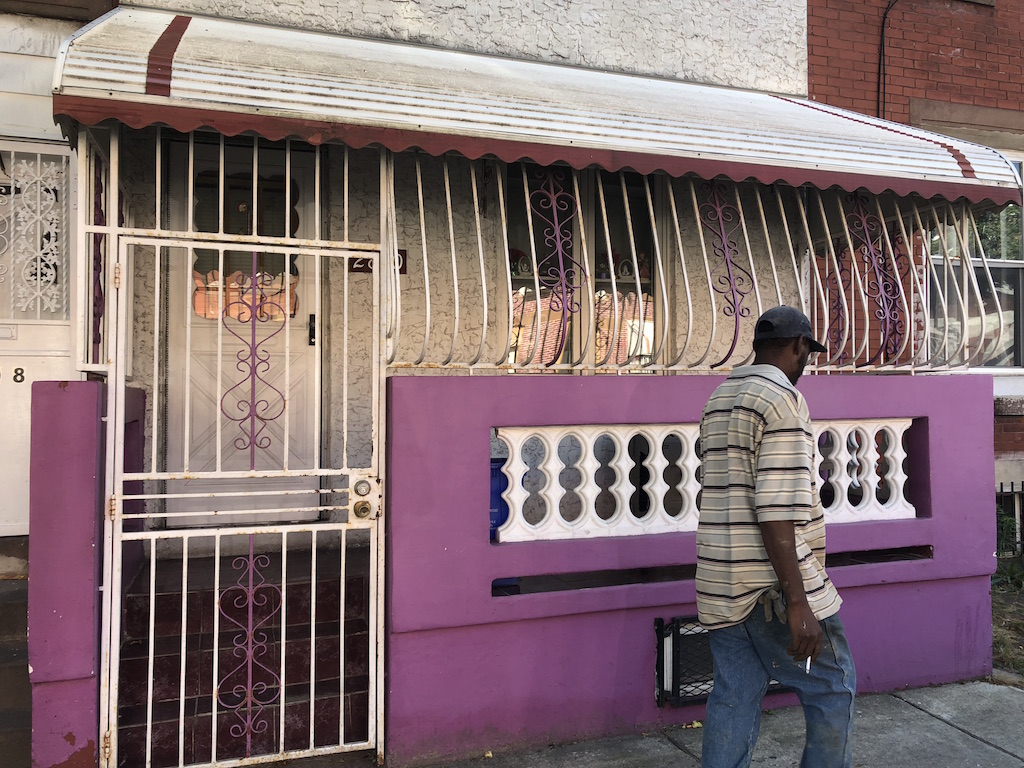
For this first report I worked on with my colleague Cassie Owens, I was able to speak with Mrs. Rodríguez from Salinas, Puerto Rico, who ordered the construction of her porch, complete with railings (she prefers to call it a balcony), because she wanted her house in Fairhill to resemble hers on the island.
The woman was incredibly willing to share her reasons and her experience . She even showed me other improvements she’d made inside the house, in the living room and kitchen. However, one of the neighborhood community leaders (or captains, as they’re called in Philadelphia) warned the woman not to speak to me again . So she called me.
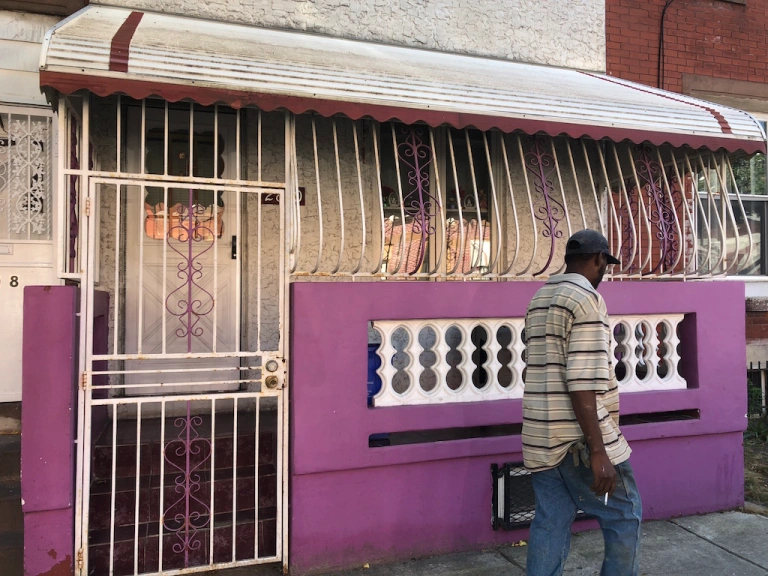
Mrs. Rodríguez has lived in this row house of her own for 23 years, and she renovated the front of it.
He only gave his name as “Carlos,” with no caller ID. Ms. Rodriguez’s supposed neighbor questioned my working for the newspaper, because he understood that The Inquirer “has never been interested in covering the things that happen here .” He also said he was afraid of how they would be portrayed as a community. And I was in shock.
Although the woman seemed excited and spoke to me when I called to ask her more questions and take some photos, she kept me waiting in front of her home for 1 hour and 45 hours the first time. It was also 1 hour and 15 hours the second time. It was very disappointing and difficult to change that people “from one place” and “from the neighborhood” didn’t trust me .
I literally had it set in China, when the famous Gold Block is just three miles (4.8 km) from Philly’s Chinatown . Yvette Ousley , the deputy editor for the paper’s Power & Policy desk, explained to me that some communities view journalists as “allies of the police . “
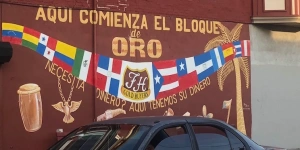
According to Ousley, this is one reason they
avoid contact with the media , to minimize the “disadvantage” that a neighborhood member might face. It highlights the perception some Latinos have of those of us who work in journalism and those who work in law enforcement.
In the end, we managed to produce a decent work, which promises to change this mentality and start new dialogues between the media I represent, this Caribbean woman, and the people who live in North Philadelphia.
I’m going to take the printout to Ms. Rodriguez. Wish me luck.